
12 Biggest Differences Between Living in Mexico and the US



Living in Mexico offers a unique experience quite distinct from life in the United States.
As an American who has lived in Mexico for many years, I have come to understand and appreciate the differences between both countries.
In this article, I’ll share the top 12 biggest differences between living in Mexico and the US so that you can better understand the lifestyle and culture of this vibrant country.
Planning a trip to Mexico? Use my favorite travel resources!
🏨 Hotels: Expedia or Booking.com
✈️ Flights: Skyscanner
🚗 Rental Cars: Discover Cars
🤿 Tours & Activities: Viator
🚨 Travel Insurance: Travel Insurance Master
1. Cost of Living
One of the biggest differences between living in Mexico and the US is the cost of living.
Overall, Mexico has a lower cost of living compared to most cities in the US.
This is especially true for housing, groceries, and healthcare.
However, some luxury items such as electronics and imported goods may be more expensive in Mexico.

2. Pace of Life
One of the most noticeable differences is the pace of life.
Mexico generally has a more relaxed, less hurried approach compared to the fast-paced lifestyle often found in the US.
This slower pace is reflected in longer meal times, later start times for social events, and a more laid-back attitude towards schedules and deadlines.
3. Plumbing Systems
In many parts of Mexico, the plumbing systems cannot handle toilet paper, requiring it to be disposed of in bins rather than flushed.
This practice can be surprising for those accustomed to the US system, where flushing toilet paper is the norm.
I know it sounds gross but trust me, you get used to it quickly!

4. Public Transportation
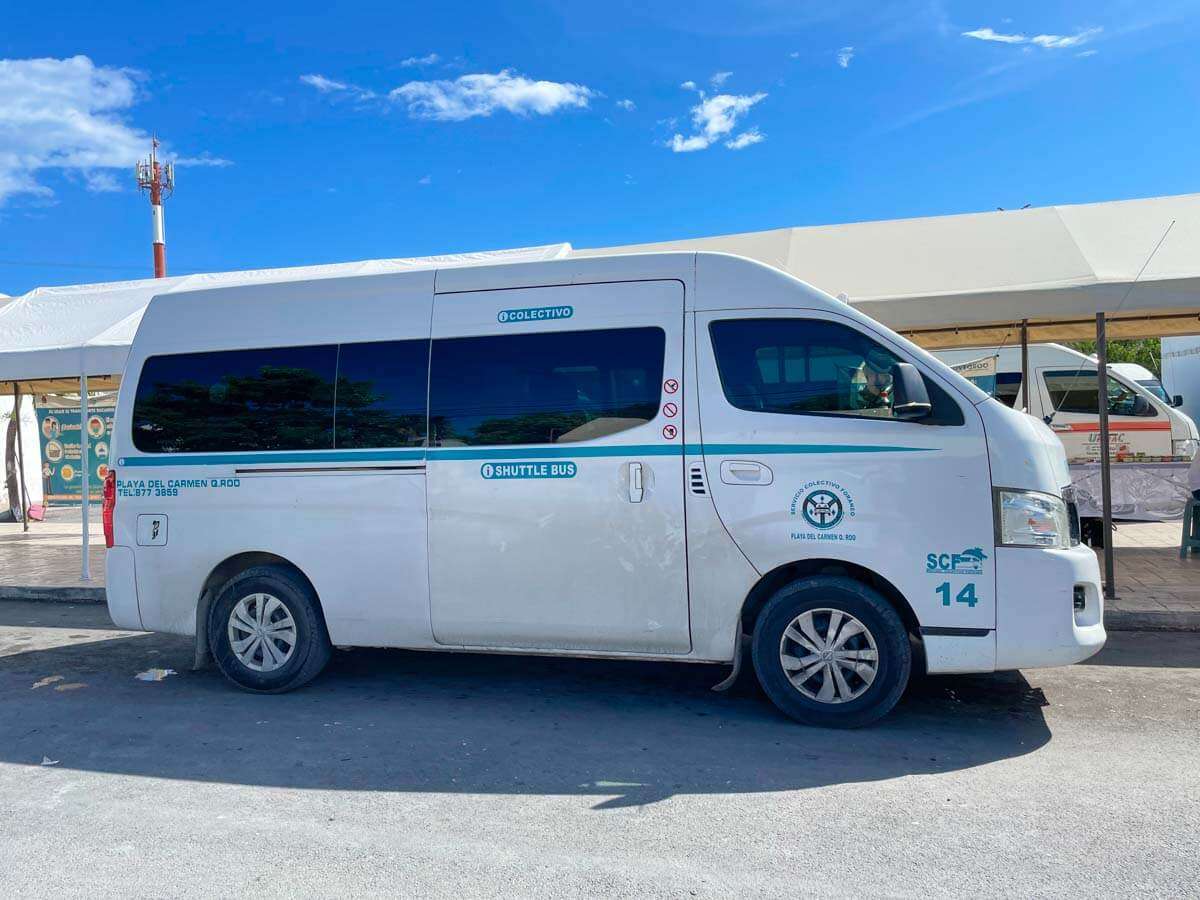
Public transportation in Mexico is extensive and affordable, with options ranging from buses and metro systems in large cities to colectivos (shared minibuses) in smaller towns.
In most towns in Mexico, it’s pretty easy to get around without a car as long as you’re willing to navigate the public transportation options.
In contrast, many parts of the US rely heavily on personal vehicles for transportation due to less comprehensive public transit options.
5. Food Storage
In the US, health regulations generally require that eggs and milk be refrigerated.
In contrast, in Mexico, it’s common to find these items stored at room temperature.
This difference is due to variations in processing methods.
For example, the milk in Mexico is ultra-pasteurized, allowing it to stay fresh at room temperature.

6. Environmental Consciousness
While there is a growing awareness of environmental issues in Mexico, the approach to regulations can be less stringent than in the US.
This extends to air quality and emissions control, which are significant concerns, especially in large urban areas like Mexico City.
The US generally has stricter controls on emissions and a more proactive stance on environmental protection.

7. Mail Service
The postal system in Mexico is notoriously unreliable compared to the US.
Delays are common, and the service is often perceived as less secure.
As a result, many people in Mexico prefer to use private courier services like FedEx or DHL for important documents and packages.
Now Amazon in Mexico is available although it is still not as extensive and efficient as the US.

8. Drinking Water
Unlike in the US, where tap water is generally safe to drink, in Mexico, it is not safe to drink the tap water.
Visitors and residents only drink bottled or purified water and typically order a large “garrafón” (20 L) of water to have in the home.
This difference is crucial for newcomers to understand to avoid potential health issues.

9. Home and Community Life
Mexican culture places a strong emphasis on family and community relationships.
It’s common for multiple generations to live in the same household or community, supporting one another daily.
In the US, there’s a greater emphasis on individualism and independence, often leading to more nuclear family structures.

10. Health Care
Mexico offers both public and private healthcare options. The public system has widespread coverage but can be under-resourced.
In contrast, the private healthcare in Mexico is affordable and high-quality by international standards.
The US healthcare system, predominantly private, is more expensive, and access can be heavily dependent on insurance coverage.
11. Household Appliances
In Mexico, not all homes will have kitchen appliances like ovens and dishwashers, which can be surprising for Americans accustomed to these being standard in homes.
While these appliances are becoming more common in Mexico, many people still cook with stovetops and wash dishes by hand.
Additionally, not all homes have laundry machines, so it’s very common for Mexicans to take their dirty laundry to a “lavanderia”, where you pay per kilo for someone else to wash, dry and fold your clothes.

12. Customer Service Culture
The customer service culture in Mexico contrasts sharply with the American “the customer is always right” mentality.
In Mexico, customer service can be less business-centric and may not always prioritize customer satisfaction in the same way.
This results in a service environment where interactions are more relaxed but might not meet the expectations of those accustomed to US standards.
So, do you think you could live in Mexico?
While there are significant differences between Mexico and the US, living in Mexico can be a rewarding and unique experience.
I haven’t regretted my decision to move here, and I hope this article has given you a better understanding of what to expect if you ever decide to make the move yourself.
🇲🇽 Traveling to Mexico soon?
These are the Mexico travel resources I use and recommend:
🏨 Hotels: I always find the best deals for Mexico hotels and resorts on Expedia or Booking.com. If you prefer a vacation rental, check VRBO as they are often cheaper than AirBnB’s added fees!
✈️ Flights: I recommend using Skyscanner for the best Mexico flight deals. Be sure to sign up for their price alerts for your preferred travel dates.
🚗 Rental Cars: I recommend using Discover Cars because you can compare multiple car rental companies and see detailed ratings for overall value, ease of pick-up, efficiency of agents, car condition, and overall time spent.
🚙 Cancun Airport Transportation: I recommend booking a private transfer with Cancun Airport Transportation for the quickest and most hassle-free option!
🤿 Tours & Activities: I always use Viator or GetYourGuide for booking tours and activities in Mexico. You can cancel up to 24 hours before the tour for a full refund, plus they have excellent customer service if you were to have any issues.
🚨 Travel Insurance: After my Dad broke his hand in a taxi accident in Playa del Carmen, I always recommend buying travel insurance before your trip for added peace of mind! I recommend Travel Insurance Master for short trips or Safety Wing for digital nomads.
☀️ Biodegradable Sunscreen: Don’t forget to add biodegradable sunscreen to your Mexico packing list! Regular sunscreen is prohibited on most snorkeling tours, so you’ll need to pack some biodegradable sunscreen for sun protection. I recommend Sun Bum Sunscreen, which is reef-friendly, vegan, and cruelty-free.
